SoHo NYC Guide: What to See, Where to Shop, and Where to Eat
There’s a particular kind of New York afternoon that SoHo does exceptionally well: wandering down a cobblestone street, discovering a bookstore you hadn’t planned to visit, admiring a beautiful old building, and somehow ending up with a pastry or a shopping bag.
SoHo NYC is famous for designer boutiques, fashionable cafés, and photogenic streets. But spend a little time away from the busiest stretch of Broadway, and the neighborhood becomes much more interesting.
You’ll find nineteenth-century cast-iron architecture, unusual art installations, independent bookstores, and places that still offer a glimpse of downtown Manhattan before every other storefront became a flagship.
This guide covers the worthwhile things to see, places to shop, and stops for eating and drinking, with a walkable route to help you make the most of your visit. If you’re planning your first trip, it pairs well with a broader look at New York City’s major attractions.
Where Is SoHo in NYC?
SoHo means South of Houston Street (pronounced HOW-stun, not like the Texas city). The neighborhood sits in Lower Manhattan, broadly between Houston Street to the north and Canal Street to the south, with its eastern and western edges commonly described as Lafayette Street and Sixth Avenue.
The streets most visitors want to explore include Greene, Wooster, Mercer, Prince, Spring, and Broome.
SoHo is also part of one of New York’s most important historic architectural districts. Its former commercial loft buildings, ornate cast-iron facades, and association with the downtown arts scene explain why its streets feel different from Midtown.
SoHo NYC at a Glance
| Experience | Best stop |
| Historic architecture | Greene Street |
| Contemporary art | The Drawing Center |
| Unusual free art | The New York Earth Room |
| Art and design history | Judd Foundation |
| Independent book shopping | McNally Jackson |
| Used books and café | Housing Works Bookstore |
| Specialty coffee | La Cabra |
| Historic tavern | Fanelli Café |
| Sit-down meal | Balthazar |
What to See and Do in SoHo NYC
1. Walk Greene Street for SoHo’s Beautiful Cast-Iron Architecture
Location: Greene Street, particularly between Canal and Houston Streets

If you’re visiting SoHo for its architecture and distinctive New York atmosphere, Greene Street deserves more attention than another hour spent inside chain stores.
Walk along the street and look up at the buildings. Many have tall, regularly spaced windows, decorative columns, intricate cornices, and grand proportions that seem extravagant for former commercial spaces.
During the nineteenth century, cast iron allowed builders to create elaborate facades with repeated architectural components. The buildings eventually became part of the loft landscape that attracted artists in the twentieth century.
One particularly beautiful example is the King of Greene Street, at 72–76 Greene Street, a French Renaissance-style cast-iron building completed in the 1870s.
The architecture is especially striking when viewed from an angle, where repeating facades create depth along the street. It’s also a rewarding place for photography because the buildings themselves provide the composition.
You’ll still encounter shoppers, vehicles, and other visitors, so don’t expect an empty movie set. The appeal is seeing ordinary Manhattan street life against these unusually decorative historic buildings.
Best for: Architecture, photography, free sightseeing, and first-time visitors.
Plan Your Visit
Location: Greene Street, SoHo, Manhattan
Google Maps: View Greene Street in SoHo on Google Maps
Historic district information: SoHo Cast-Iron Historic District
Admission: Free; public street
Hours: Accessible as a public street, subject to street conditions
Tip: Walk south along Greene Street and explore Wooster and Mercer Streets rather than staying only on Broadway.
2. Visit The Drawing Center for an Art Break
Location: 35 Wooster Street
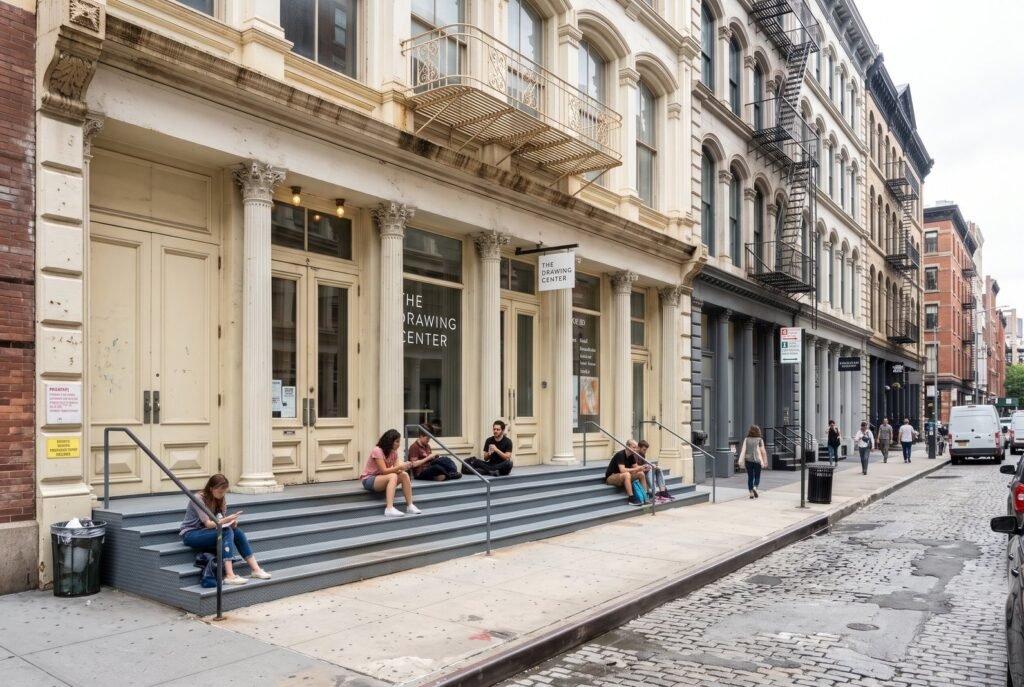
SoHo’s artistic history isn’t limited to stories about the artists who once rented downtown lofts. You can still experience it through institutions such as The Drawing Center.
Dedicated to drawing in its many forms, this exhibition space offers a welcome change of pace from shopping. Depending on the exhibition, you might encounter contemporary works on paper, experimental artistic practices, or drawing presented in ways you wouldn’t expect.
It’s a good option for travelers who enjoy creative spaces but don’t necessarily want to commit half a day to a major museum.
The compact scale makes it particularly easy to fit into a neighborhood walk. You can browse shops on Wooster Street, spend time with an exhibition, then continue toward Spring Street.
Admission is currently free, although exhibitions and special-program details may change.
Best for: Art lovers, curious visitors, and an affordable indoor activity.
Plan Your Visit
Address: 35 Wooster Street, New York, NY 10013
Google Maps: View The Drawing Center on Google Maps
Website: The Drawing Center
Visit information: The Drawing Center Visitor Information
Admission: Free, according to official visitor information
Hours: Regular Wednesday–Sunday noon–6 p.m.; check exhibition closures
Tip: Check the current exhibition calendar; installation periods can interrupt access.
3. Experience the Surprising New York Earth Room
Location: 141 Wooster Street

Walk into an upstairs gallery in SoHo and encounter a room filled with earth.
That is the unexpectedly simple premise behind The New York Earth Room, an installation by Walter De Maria that has been maintained by Dia Art Foundation since 1977.
The work occupies an enormous interior space, covered with 250 cubic yards of earth. Its quietness and physical scale contrast with the busy streets outside.
There’s no complicated sequence of exhibits to work through. You come to see one artwork, spend a few moments considering it, and leave with a rather different impression of what a Manhattan gallery can be.
This is one of the most distinctive free experiences in SoHo, particularly for travelers who enjoy conceptual art and unexpected spaces.
Dia lists free admission and afternoon visiting sessions from Wednesday through Sunday.
Best for: Unusual free experiences, contemporary art, and short cultural stops.
Plan Your Visit
Address: 141 Wooster Street, New York, NY
Google Maps: View New York Earth Room on Google Maps
Website: The New York Earth Room
Hours: Wednesday–Sunday, noon–3 p.m. and 3:30–6 p.m.
Admission: Free
Tip: Plan around the afternoon break rather than arriving just before 3 p.m.
4. Tour Donald Judd’s Preserved Home and Studio
Location: 101 Spring Street, entrance on Mercer Street
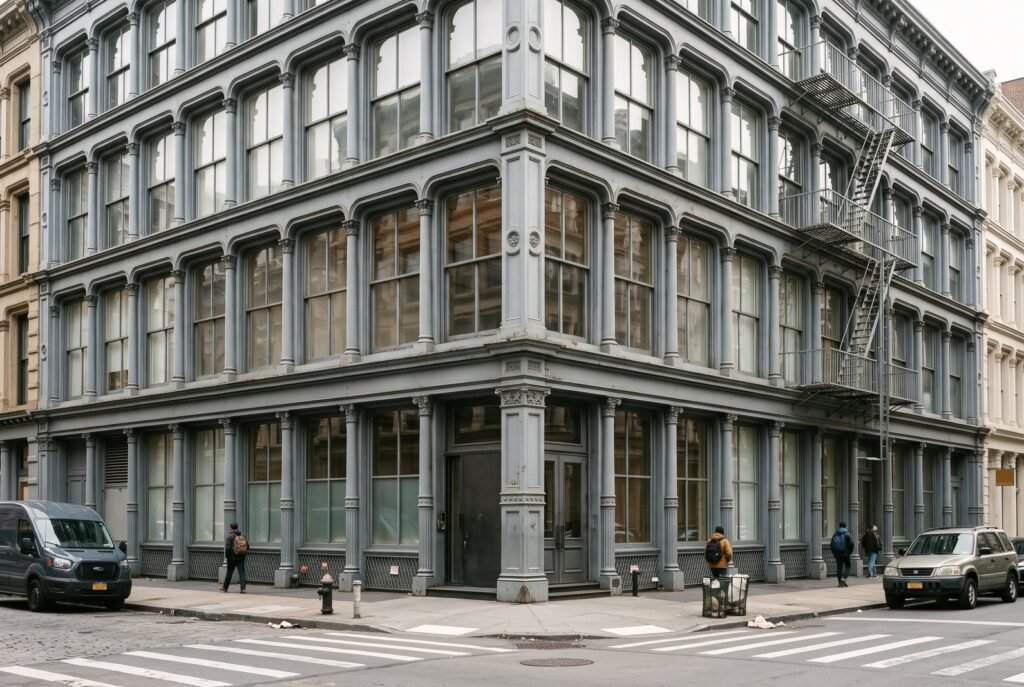
For a deeper understanding of how SoHo became associated with artists and creative loft living, the Judd Foundation offers an unusually direct connection to the neighborhood’s past.
Artist Donald Judd purchased the five-story cast-iron building in 1968. It became his home and studio, and its preserved spaces reflect his approach to art, furniture, architecture, and the relationship between objects and their surroundings.
A guided visit offers access to rooms that aren’t simply arranged to resemble a historic artist’s apartment. Instead, the spaces preserve the permanent installations and thoughtful arrangements central to Judd’s work.
Unlike a casual gallery visit, this is something to organize in advance.
The foundation currently requires reservations for its approximately 75-minute guided visits. General admission is listed at $32.50, with discounted student and senior tickets.
Best for: Design enthusiasts, architecture lovers, and visitors interested in New York’s artistic history.
Plan Your Visit
Address: 101 Spring Street, New York, NY 10012
Google Maps: View Judd Foundation on Google Maps
Website and tickets: Judd Foundation
Visits: Guided tours Tuesday–Saturday
Ticket price: $32.50 general; $17.50 eligible students and seniors, subject to change
Booking: Advance reservation required
Tip: Use the Mercer Street entrance, and arrive before your scheduled tour.
5. Browse McNally Jackson Books on Prince Street
Location: 134 Prince Street
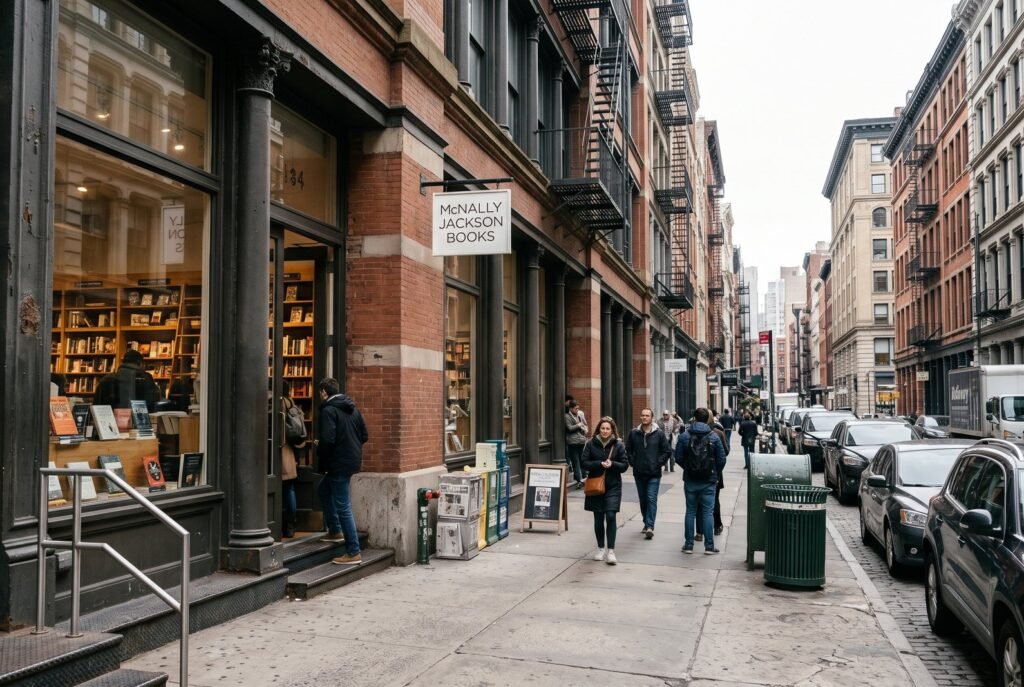
Shopping in SoHo doesn’t have to mean designer clothing.
McNally Jackson Books is one of the neighborhood’s strongest stops for people who would happily trade another fashion boutique for a beautifully curated bookstore.
The independent bookseller carries fiction, nonfiction, translated literature, poetry, art books, and other publications that make browsing feel more like discovery than a shopping errand.
The appeal lies partly in the selection. Staff recommendations and thoughtful displays encourage you to investigate books you might otherwise overlook.
It’s worth checking the events calendar as well; the bookseller hosts literary discussions and author appearances. Recent local guides continue to recommend this branch for its browsing experience and book selection.
Give yourself time to wander the aisles instead of treating it as a quick stop for a photograph.
Best for: Book lovers, literary gifts, thoughtful souvenirs, and relaxed browsing.
Plan Your Visit
Address: 134 Prince Street, New York, NY 10012
Google Maps: View McNally Jackson Books SoHo on Google Maps
Website: McNally Jackson Books
Hours: Check the Prince Street branch hours before visiting
Admission: Free to browse
Tip: Look for staff recommendations rather than shopping exclusively for familiar titles.
6. Hunt for Secondhand Finds at Housing Works Bookstore
Location: 126 Crosby Street

Just a short walk from SoHo’s more polished retail streets, Housing Works Bookstore offers something different: the pleasure of discovering a secondhand book you weren’t looking for.
The bookstore carries a changing selection of used books, vinyl records, art books, and other donated merchandise. Because stock rotates, two visits don’t necessarily look the same.
The space also has a café and hosts events, making it much more than a place to purchase books.
What gives Housing Works additional significance is its nonprofit mission. Purchases support the organization’s work in housing, healthcare, and services for people affected by HIV/AIDS and homelessness.
It’s particularly worthwhile for visitors looking for more affordable shopping experiences in an otherwise expensive neighborhood.
Best for: Used books, budget-conscious browsing, café breaks, and meaningful purchases.
Plan Your Visit
Address: 126 Crosby Street, New York, NY 10012
Google Maps: View Housing Works Bookstore on Google Maps
Website: Housing Works Bookstore
Hours: Monday–Saturday, 11 a.m.–7 p.m.; Sunday, 11 a.m.–5 p.m., subject to events
Admission: Free to browse
Tip: Allow extra browsing time, since the most interesting finds are often unexpected.
7. Stop at La Cabra for Specialty Coffee
Location: 284 Lafayette Street
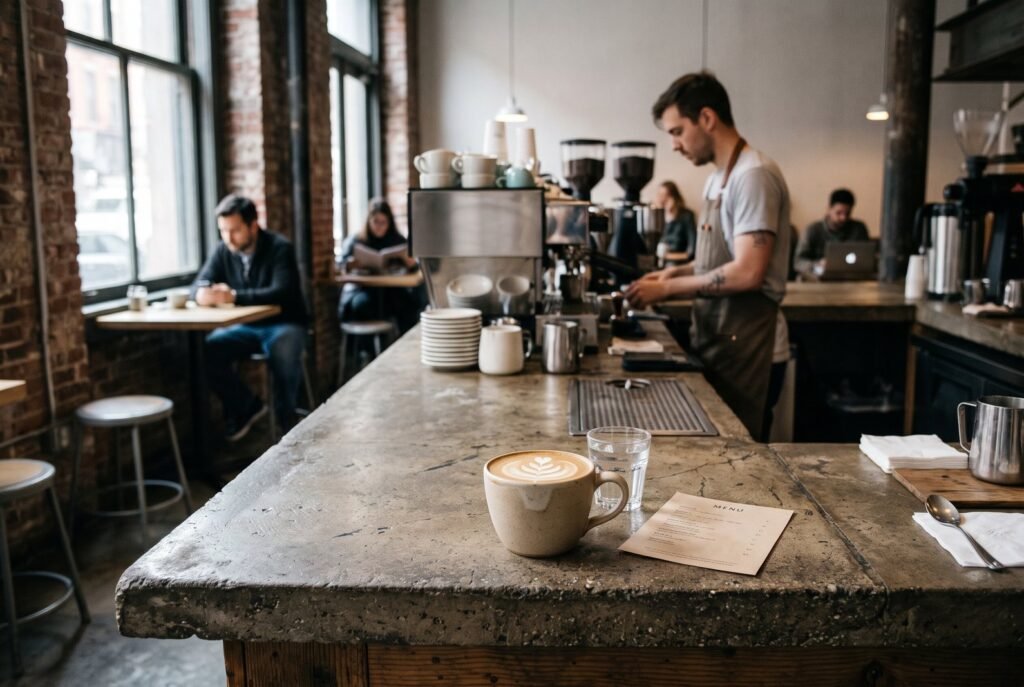
A good coffee stop can make the difference between enjoying SoHo and feeling like you’ve spent the afternoon dodging shopping crowds.
La Cabra is particularly appealing if you’re interested in coffee beyond the usual iced latte and quick takeaway.
Originally founded in Denmark, La Cabra has developed a following for its specialty coffee approach. At its SoHo location, the focus is on carefully prepared filter coffee and espresso, with an open bar that makes the preparation process part of the experience.
The design is restrained and contemporary, a contrast to the historic streets you’ll have been exploring.
It’s a good choice for someone who appreciates coffee enough to slow down and enjoy it. Travelers primarily looking for a large, leisurely brunch or a guaranteed seat might prefer somewhere else.
The company also makes clear that it doesn’t accept table reservations at this location.
Best for: Specialty coffee enthusiasts and a refined coffee break.
Plan Your Visit
Address: 284 Lafayette Street, New York, NY 10012
Google Maps: View La Cabra SoHo on Google Maps
Website: La Cabra SoHo
Hours: Monday–Friday, 7 a.m.–8 p.m.; Saturday–Sunday, 8 a.m.–8 p.m.
Reservations: Not accepted
Tip: Choose this stop for the coffee itself rather than expecting a full-service restaurant experience.
8. Have a Casual Meal at Historic Fanelli Café
Location: 94 Prince Street
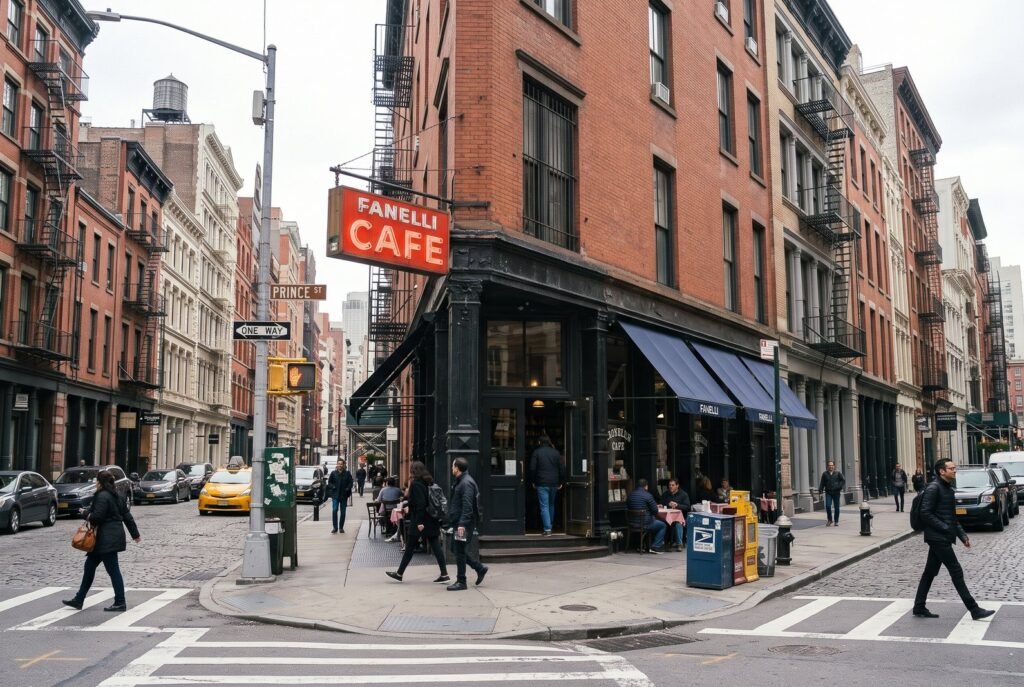
If you’d rather eat somewhere with old New York character than chase the latest restaurant opening, Fanelli Café is worth considering.
The corner establishment traces its history to 1847 and remains a recognizable neighborhood institution.
Inside, expect a traditional bar-and-restaurant atmosphere rather than the minimalist interiors found in many newer SoHo cafés.
Its menu revolves around approachable American comfort food, including burgers, sandwiches, fries, and other familiar pub dishes.
This isn’t necessarily where you go for an elaborate culinary experience. The attraction is the combination of an old neighborhood setting, casual food, and the opportunity to spend time in a place that has witnessed enormous changes around it.
Fanelli can be busy, and visitors’ experiences of the service and food are mixed. Come for the atmosphere and a straightforward meal rather than expecting a quiet fine-dining experience.
Best for: Casual lunches, historic taverns, and classic downtown atmosphere.
Plan Your Visit
Address: 94 Prince Street, New York, NY
Google Maps: View Fanelli Café on Google Maps
Website: Fanelli Café
Hours: Officially listed as 11 a.m. until late
Contact: (212) 226-9412
Tip: A weekday lunch may suit you better than a busy evening if you want to appreciate the interior.
9. Visit Balthazar for a Classic SoHo Dining Experience
Location: 80 Spring Street
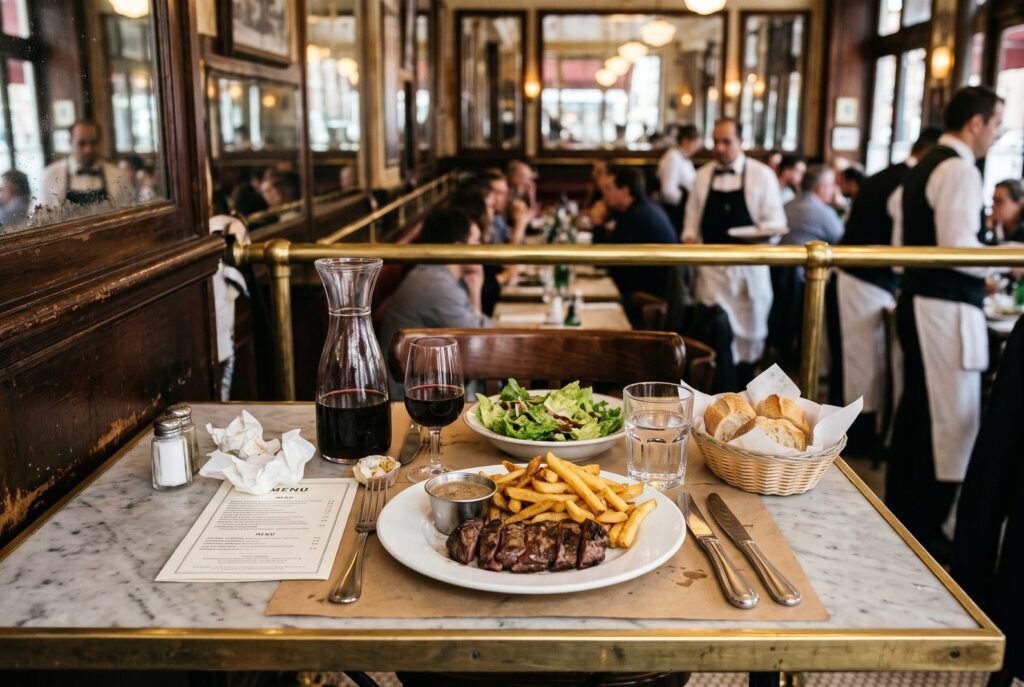
Balthazar is famous, but that doesn’t automatically make it an unworthy stop.
The bustling French brasserie has been a downtown fixture since 1997, and its dining room is part of what makes eating here memorable.
Expect closely arranged tables, polished brasserie details, conversation, movement, and the sort of energetic atmosphere that can make a restaurant feel like an event.
The menu leans toward French classics, including steak frites, onion soup, and seafood, with a raw bar that has long been part of the restaurant’s identity.
Balthazar makes the most sense when you’re looking for a proper sit-down meal and don’t mind paying more for a recognizable New York dining experience.
It isn’t the quietest option, and its popularity comes with crowds and mixed opinions about value. That’s worth understanding before you book.
If you don’t want a full restaurant meal, the neighboring Balthazar Bakery offers another way to enjoy the name without committing to a lengthy lunch or dinner.
Best for: Classic brasserie dining, celebrations, and atmospheric dinners.
Plan Your Visit
Address: 80 Spring Street, New York, NY
Google Maps: View Balthazar on Google Maps
Website: Balthazar
Reservations: Balthazar Reservations
Hours: Breakfast and lunch weekdays, weekend brunch, dinner daily; verify official service hours
Price: Higher-spend sit-down option; see current menu
Contact: (212) 965-1414
Tip: Reserve ahead if this is an important part of your day, especially for dinner.
10. Discover The Broken Kilometer on West Broadway
Location: 393 West Broadway
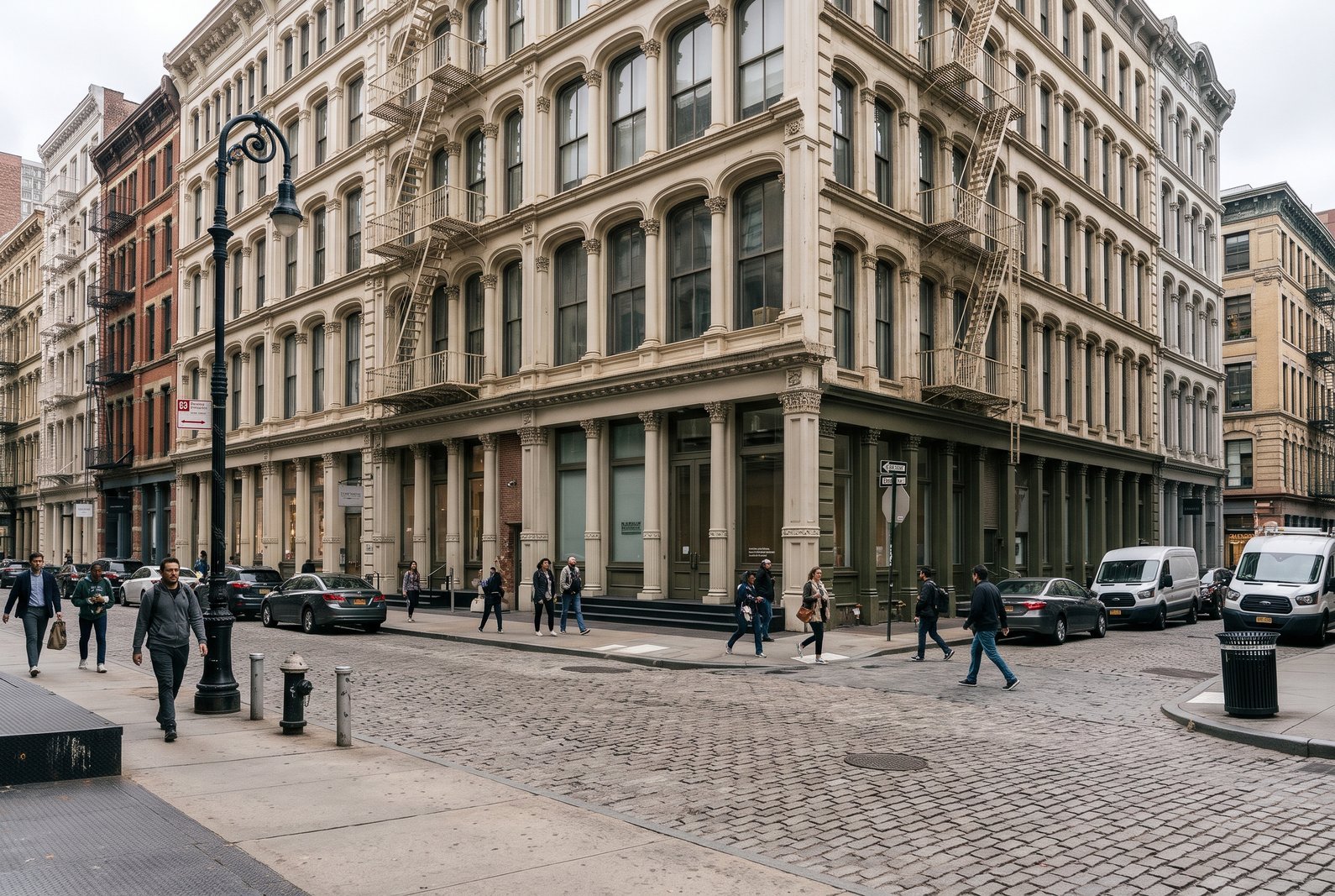
One of SoHo’s most interesting experiences is tucked away behind a relatively understated entrance on West Broadway.
The Broken Kilometer is another monumental artwork by Walter De Maria, but it feels completely different from the New York Earth Room.
Inside, 500 polished brass rods extend in five precisely arranged rows across the gallery floor. Together, their lengths total one kilometer.
The repetition and symmetry create an almost hypnotic effect, drawing your eye through the long interior space.
You don’t need specialist knowledge of contemporary art to appreciate the visual impact. The contrast between something so mathematically precise and the ordinary commercial street outside is part of the experience.
It’s particularly satisfying to visit after the Earth Room, since the two installations demonstrate how dramatically different materials and spaces can shape an artwork.
Both locations are maintained by Dia Art Foundation and are free to enter.
Best for: Conceptual art, photography enthusiasts interested in composition, and unusual free activities.
Plan Your Visit
Address: 393 West Broadway, New York, NY
Google Maps: View The Broken Kilometer on Google Maps
Website: The Broken Kilometer
Hours: Wednesday–Sunday, noon–3 p.m. and 3:30–6 p.m.
Admission: Free
Tip: Pair this with the Earth Room for two distinctive art experiences in the same neighborhood.
Practical Planning: How to Explore SoHo NYC
A Walkable SoHo Map and Suggested Route
You don’t need to travel back and forth across Manhattan to enjoy these places. The area is compact enough to combine architecture, shopping, art, and food in a relaxed walk.
Suggested stop groups: Architecture and art — Greene Street, Drawing Center, Earth Room, Judd Foundation, Broken Kilometer. Books, coffee and food — McNally Jackson, Housing Works Bookstore, La Cabra, Fanelli Café, Balthazar.
For a relaxed half-day, start around Prince Street, visit McNally Jackson and Fanelli Café, then explore Greene and Wooster Streets for architecture and art.
The Earth Room and Broken Kilometer are especially convenient to combine when both are open. If you’ve booked the Judd Foundation, make that fixed appointment the anchor of your route.
Save your longer meal for the end of your walk or stop at La Cabra when you’re ready for coffee. The suggested stops indicate where each recommendation is located rather than prescribing one fixed route. If you plan to stay for dinner, you can continue the evening with ideas from our guide to exploring NYC after dark.
Best Time to Visit SoHo
Weekday mornings are a good choice if your priorities are architecture, photography, and quieter streets. Late morning through the afternoon works better when shopping is the main activity, since you can combine browsing with galleries, lunch, and coffee.
Weekends tend to bring heavier shopping and sightseeing crowds, particularly around Broadway, Prince Street, and popular storefronts. For photography, softer daylight is often more flattering to SoHo’s ornate facades than harsh midday sun. If you are exploring during warmer weather, you can also build breaks and shade into your day using our NYC summer guide.
How to Get to SoHo by Subway
- Prince Street: R and W trains, with service subject to schedule changes.
- Spring Street: 6 train on Lexington Avenue.
- Broadway–Lafayette Street / Bleecker Street: B, D, F, M, and 6 connections, with some services varying by day and time.
- Canal Street: Multiple subway services, useful for southern SoHo.
If you’re visiting New York for the first time, the simplest approach is to choose the station closest to your first stop, then explore the neighborhood on foot. For a wider city day, consider combining SoHo with nearby Nolita or a walk toward the West Village.
How Much Time Do You Need in SoHo?
Two hours is enough to admire the architecture, stop at a bookstore, and grab coffee. Half a day is ideal if you want to visit galleries, browse a few shops, take photographs, and have lunch. A full day is worthwhile if you enjoy shopping extensively, want a guided art visit, and plan on a leisurely restaurant meal.
Is SoHo Expensive?
SoHo can be expensive, especially if you spend most of your time in designer boutiques and high-profile restaurants. But visiting the neighborhood doesn’t have to cost much. The area also works well as part of a longer New York Christmas shopping trip, when seasonal window displays and downtown stops add another reason to explore.
Walking the historic streets is free, as are the Earth Room, Broken Kilometer, and The Drawing Center under their currently published admission policies. Bookstores and cafés also allow you to experience the neighborhood without making major purchases.
Final Thoughts: Is SoHo NYC Worth Visiting?
Absolutely, especially if you enjoy neighborhoods where architecture, creative history, and everyday city life overlap.
SoHo is no longer the quiet artists’ district it once was, and some of its busiest shopping streets can feel overly commercial. Yet its most appealing qualities haven’t disappeared.
They are in the details: beautiful cast-iron facades, an independently curated bookshelf, an unexpected art installation, or a historic tavern still operating amid fashionable storefronts.
The best way to experience SoHo isn’t to rush from one famous address to another. Pick a few places that genuinely interest you, leave time for wandering, and let the neighborhood’s streets connect the experience.
Frequently Asked Questions About SoHo NYC
What is SoHo NYC best known for?
SoHo is best known for its cast-iron architecture, historic loft buildings, fashion shopping, art history, and distinctive downtown Manhattan streets.
Is SoHo worth visiting if you don’t like shopping?
Yes. Greene Street, the Earth Room, Broken Kilometer, Judd Foundation, and The Drawing Center make SoHo appealing even if you’re not interested in retail shopping.
What are the prettiest streets in SoHo?
Greene, Wooster, and Mercer Streets are excellent places to appreciate historic architecture. Prince and Spring Streets are also attractive, although usually busier with shops and visitors.
Is SoHo NYC walkable?
Yes. SoHo is a compact Manhattan neighborhood, and many of its main attractions and shops are close enough to explore on foot.
Can you visit SoHo for free?
Yes. Public street sightseeing is free, and several art experiences have free admission. Shopping and meals are optional expenses.
Is SoHo better during the day or at night?
Daytime is generally better for shopping, architecture, and gallery visits. Evening works well for dinner, drinks, and enjoying the neighborhood’s restaurants.